
Meta Ads / HVAC / 9 min read
Meta ads for HVAC tune-up and maintenance-plan offers.
An air conditioner does not have to fail before a homeowner books a service. Sometimes all it takes is a timely reminder, a clear offer and an easy way to arrange the visit. That is what Meta ads do well for HVAC, provided the campaign is more than a discount and a form.
Planned work suits Meta in a way emergency work does not. Nobody opens Instagram looking for an HVAC contractor, but plenty of homeowners will book a tune-up they had been meaning to get round to, if the offer is clear and the timing is right. Used well, these campaigns reach people before a breakdown and help even out a seasonal calendar.
Used badly, they fill the schedule with discounted visits that lose money, and sell memberships the office cannot honour in July. A tune-up offer has to explain what the customer actually gets. A maintenance plan has to justify an ongoing commitment. And both have to fit the capacity you have and make sense after advertising, labour and travel.
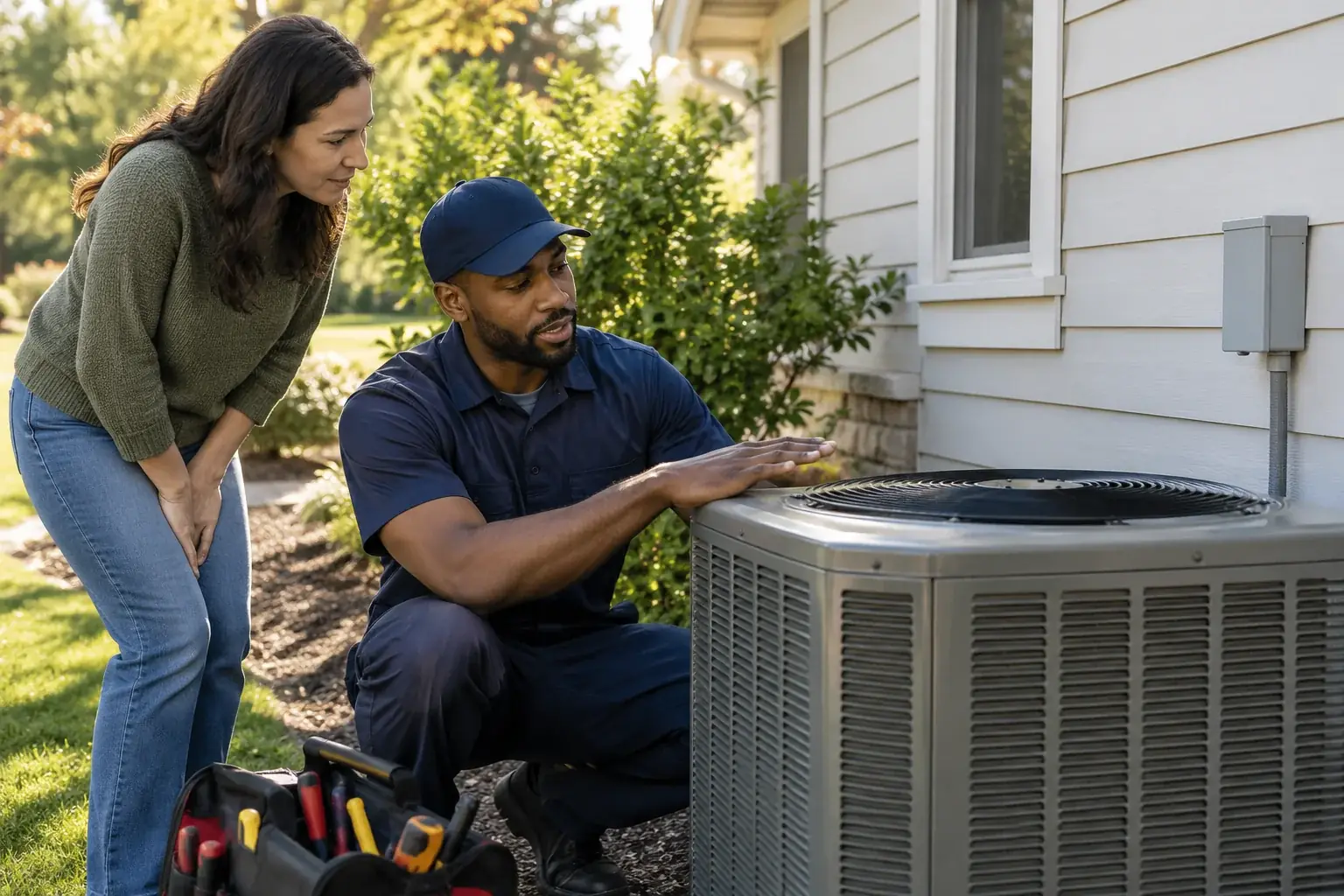
Start with the appointment you want to fill
"More HVAC leads" is too vague to build a campaign around. A useful objective names the work:
- Book AC tune-ups before the cooling season.
- Fill weekday heating-maintenance appointments.
- Introduce maintenance agreements to suitable new customers.
- Bring previous customers back for scheduled service.
Each of those needs a different message and different follow-up. Then work out where the work is actually profitable. A cheap maintenance visit becomes a loss quickly when a technician spends most of the day driving between them. Give every campaign a defined service area, an appointment window and a realistic booking target.
Quieter weeks are exactly where these campaigns earn their keep. Our guide to HVAC marketing and seasonal demand covers why the shoulder season matters so much.
Tune-ups and plans need different offers
A tune-up is a single appointment. A maintenance plan is an ongoing relationship. Presenting them as interchangeable confuses customers and muddies your reporting.
| Tune-up offer | Maintenance-plan offer | |
|---|---|---|
| Commitment | One visit | Recurring service or membership |
| Customer's question | "What does this visit include?" | "Why should I keep paying for this?" |
| Essential information | Scope, price, exclusions, availability | Visit frequency, benefits, billing, cancellation |
| Next step | Request an appointment | Review plan details or request a call |
| Business measure | Profitable completed visits | Profitable retained memberships |
A homeowner may happily book a one-off visit from a short ad and still need much more explanation before joining a plan. For new customers, it often works better to sell the tune-up first and explain the plan after you have delivered a good visit. Test direct plan sales separately if you have a clear offer and a reliable sales process. Just do not assume every discounted visit turns into a membership.
Build a tune-up offer around a clear scope
"Get your AC ready for summer" introduces an idea. It does not tell anyone what they are buying. The ad and the booking page together should answer:
- Which systems are eligible?
- What work is included?
- Does the price cover one system or several?
- Are parts, repairs and extra work charged separately?
- Which areas do you serve, and when can people book?
Write the scope from the checklist your technicians actually follow, and have the service manager approve it before launch. Avoid broad promises like "prevent all breakdowns" or "guaranteed lower bills". Describe the work you will do, not an outcome you cannot ensure.
Book your AC tune-up before the busy season. A scheduled maintenance visit for your home's air conditioning in [service area]. Includes [accurate summary of your checklist]. [Price] for one eligible system; parts and repairs are quoted separately. Request an appointment for [genuine availability period].
Every bracket has to come from your business. Never publish the template with invented prices, inclusions or availability. And match the button to the process: use "Request an appointment" when the office still has to confirm a slot, and "Book now" only when a customer can genuinely complete a booking.
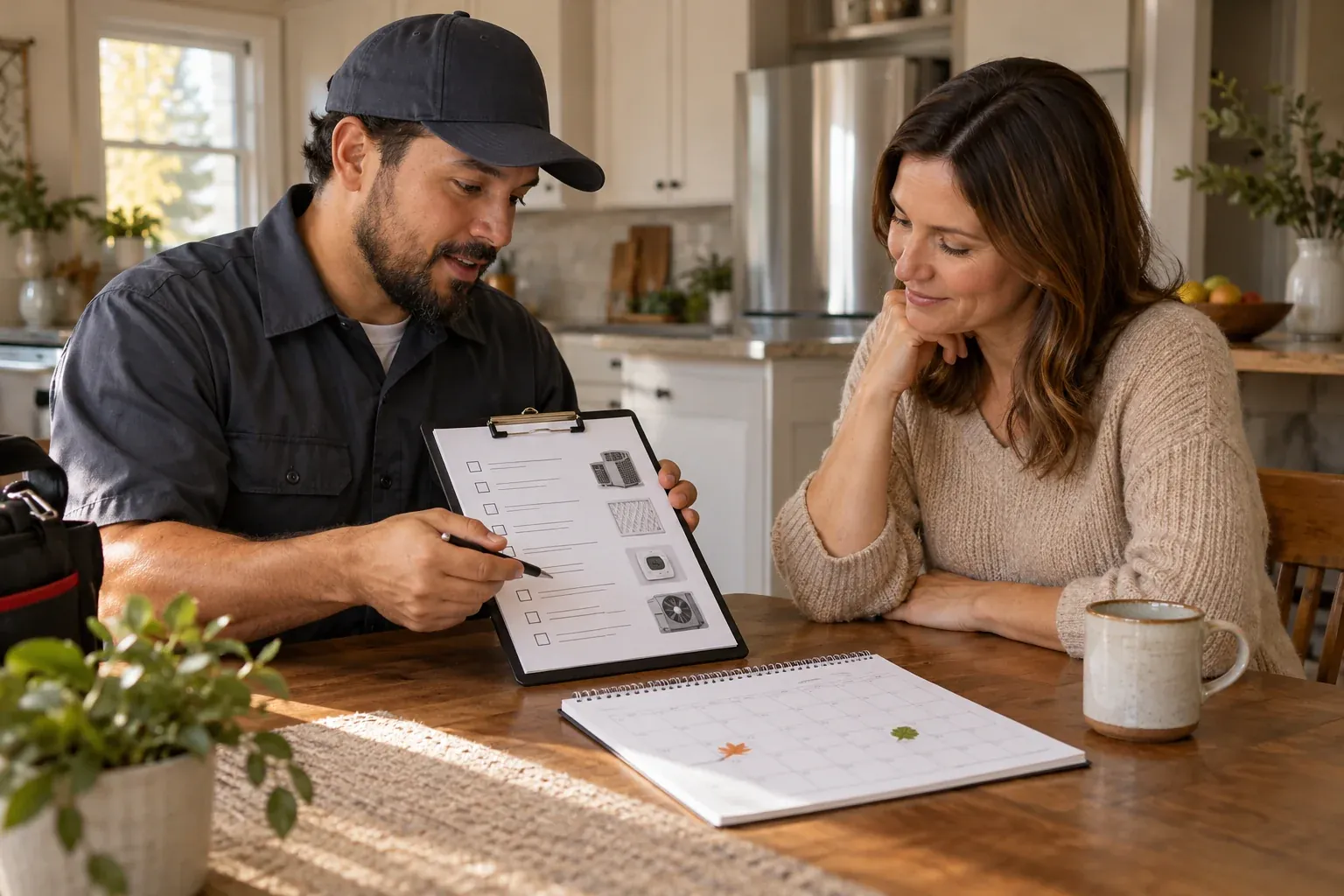
Explain a plan without hiding the commitment
A maintenance plan needs a better reason to exist than "save money". Depending on what you genuinely provide, that might be scheduled servicing, reminders, a defined repair discount, or access to priority booking.
"Priority service" is the easiest benefit to overpromise. Does it mean earlier access to whatever appointments are free, a separate booking queue, or a guaranteed response time? Advertise only the version your operation can actually deliver in the busiest week of July, because that is when members will test it.
Before anyone joins, make these easy to find:
| Detail | What the customer needs to understand |
|---|---|
| Price | What they pay and how often |
| Service visits | How many are included and what each covers |
| Equipment | Which systems and how many units |
| Additional work | What is still chargeable |
| Renewal | Whether it renews automatically |
| Cancellation | How to cancel |
| Priority benefits | The actual service commitment |
A low monthly figure should never hide a longer contractual obligation. Customers who feel tricked cancel, and they say so in reviews.
Make HVAC maintenance easier to organise. Our [plan name] includes [number] scheduled service visits per [period], appointment reminders and [verified additional benefit], for eligible systems in [service area]. See the full inclusions, exclusions, payment schedule and cancellation terms before joining.
That gives someone a reason to look further without turning the ad into a contract.
Use creative that shows the service
The most persuasive image is usually evidence of the work itself:
- A technician carrying out a real maintenance check.
- A clear view of the equipment being serviced.
- A short video explaining what happens during the visit.
- A technician answering a question customers ask every week.
- A testimonial from a customer who agreed to give one.
Show the service the offer covers; a tune-up ad should not look like a system replacement promotion. A technician video works best when it says three things: what the visit includes, what it costs, and how to book.
Avoid staged fault imagery that implies someone's equipment is dangerous or about to fail. You can sell maintenance without inventing a crisis. And if you use illustrative or AI-generated images, never present them as your actual team, premises or customer work.
Choose the right booking route
A tune-up campaign can use an instant form or a landing page. Pick based on how much explanation and qualification the offer needs. A short instant form suits a simple service where the office confirms the slot. A landing page suits detailed inclusions, plan comparisons, or letting customers pick an available time. For a maintenance agreement, people should be able to read the full terms before committing.
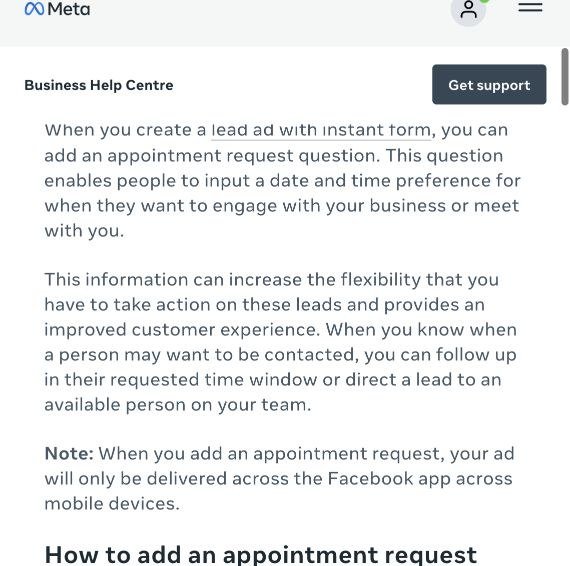
Meta also lets you add an appointment request question to an instant form, where people give a preferred date and time. Treat that as a preference, not a booking, and say so on the confirmation screen. Note one trade-off Meta documents: with an appointment request added, the ad is delivered only in the Facebook app on mobile devices.
Keep qualification practical. Two questions usually cover it: the ZIP code of the property needing service, and which system they want serviced. If authority to arrange work keeps causing problems, ask whether they own the property or are authorised to book. Do not ask homeowners to diagnose faults or supply equipment details your technician can find out on site.
Our guide to fixing junk leads from Meta lead ads covers form design and follow-up in detail.

Connect the campaign to the calendar
A promotion only succeeds if the business can deliver it well. Before launch, agree how many appointments are available, which days need filling, and how bookings spread across the service area. Then give whoever runs the ads a regular capacity update.
If the calendar fills, reduce spend or move the advertised window. Do not keep advertising immediate availability while the office pushes customers into later weeks.
Route density matters too. Several appointments close together are worth more than the same number scattered across the territory, so coordinate availability by area where you can, without promising slots the campaign cannot reserve.
Follow up while the request is still fresh
Send enquiries straight to whoever books them, and aim to respond within minutes during staffed hours. The first conversation should confirm the property address, the equipment covered, the advertised price and exclusions, and the appointment.
Ask one more thing: is anything wrong with the system right now? Someone who booked a tune-up may expect it to include diagnosing and fixing a current breakdown. Explain the difference before the visit, so the technician does not discover a pricing disagreement on the doorstep.
Check the economics before scaling
A cheap cost per lead does not make a campaign profitable. Start with the completed visit:
Contribution before advertising = service revenue collected minus the direct cost of delivering the visit (technician time, travel, consumables). Then subtract what it cost to acquire the customer.
For maintenance plans, include the cost of delivering every promised visit and benefit across the membership. The first payment is not pure profit.
Keep realised results separate from hoped-for ones. A tune-up customer may later buy a repair, renew a plan or replace a system, and you should track those when they happen. What you should not do is use imagined future installations to justify a campaign that loses money on every visit indefinitely.
| Measure | What it tells you |
|---|---|
| Cost per qualified enquiry | Whether you reach suitable households |
| Cost per booked appointment | Whether enquiries become scheduled work |
| Cost per completed visit | Whether bookings survive cancellations |
| Contribution after advertising | Whether the work supports profit |
| Plan uptake | Whether customers choose ongoing maintenance |
| Renewal and cancellation rates | Whether the plan keeps its value |
Start with one offer, one area and a manageable number of appointments. Test the message and the booking process before expanding, and record which ads produce completed visits rather than cheap forms. For plans, watch retention as closely as sign-ups.
Our Meta ads management and HVAC service connect the offer, creative, qualification and reporting. The strongest offer is one customers understand, technicians can deliver, and the business can profitably repeat.